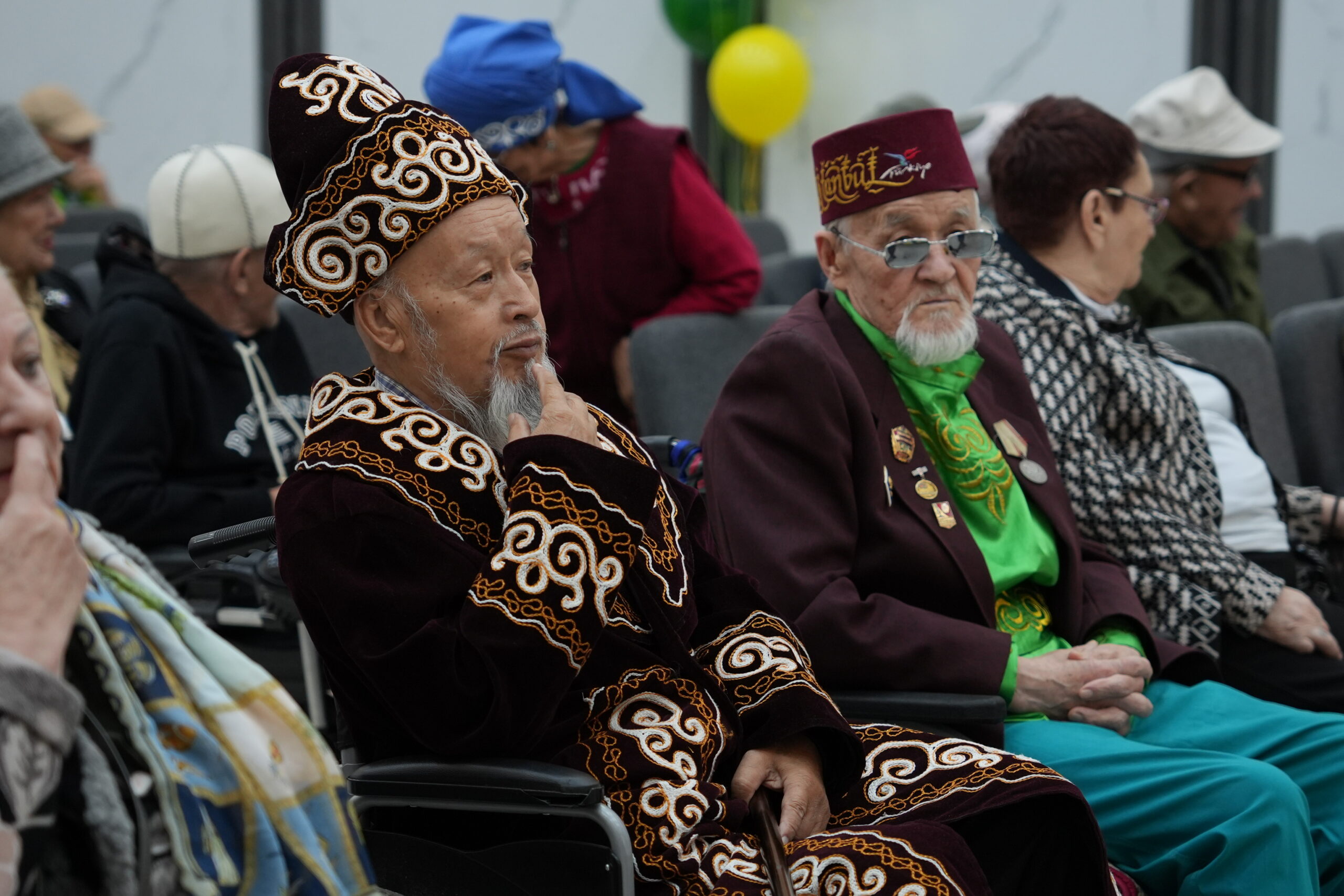


Opera matters – and Astana Opera is proof
Following the collapse of the Soviet Union in 1991, the arts entered a period of decline across much of the former union, marked by reduced funding and institutional support.
In Kazakhstan, that trajectory has shifted. As the economy has developed, investment from both the state and private sector has increased across the arts – reflecting their place as an integral part of a modern, successful society.
This matters because the debate around the arts continues. They are often dismissed as expensive or exclusive, accessible only to a narrow audience. In practice, where they are properly supported and opened up, they attract broad participation and appreciation, create shared experiences, and contribute to a more dynamic and outward-looking country.
Growth in practice
The growth of major institutions and projects across Kazakhstan, from Astana Opera to the Almaty Museum of Arts, evidences this shift.
Over the past decade, the Astana Opera has drawn around 140,000 audience members a year, with more than 1.5 million attending in total. Its audience is also getting younger, with more than half under the age of 35.
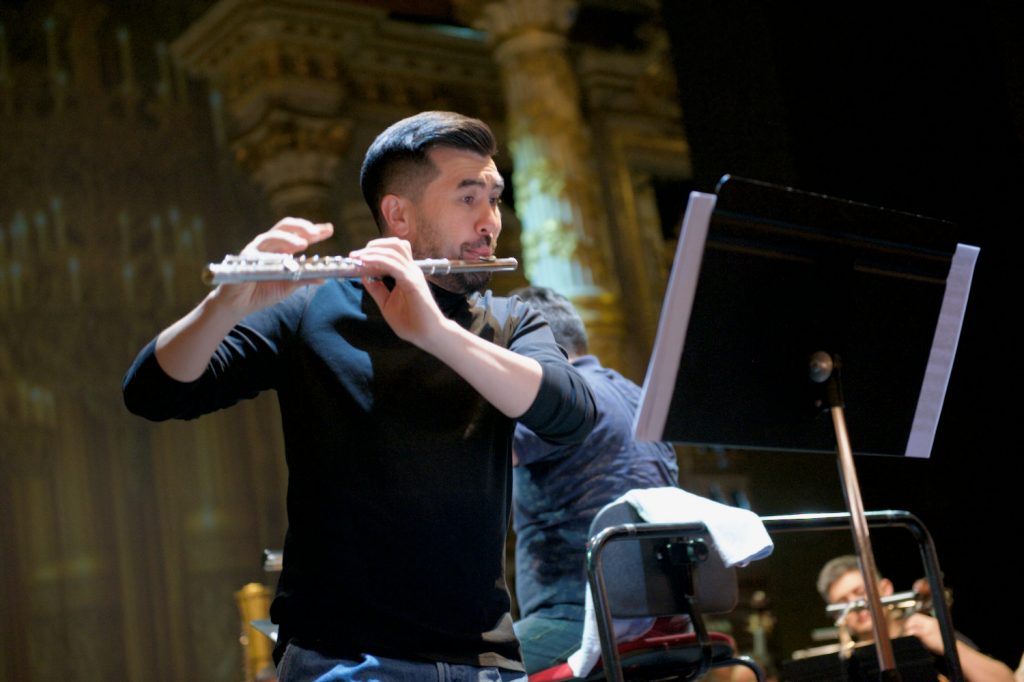
This success has been enabled by long-term investment and consistency. Support from institutions such as the Halyk Charitable Fund and Halyk Bank has allowed the theatre to plan across seasons rather than individual productions, investing in talent, technical capability and programming over time.
Because it invests in the future, Astana Opera has been able to build a pipeline for younger audiences and future performers – from its long-running Children’s Studio, established to identify and develop talent, to hands-on education formats that demystify the art form.
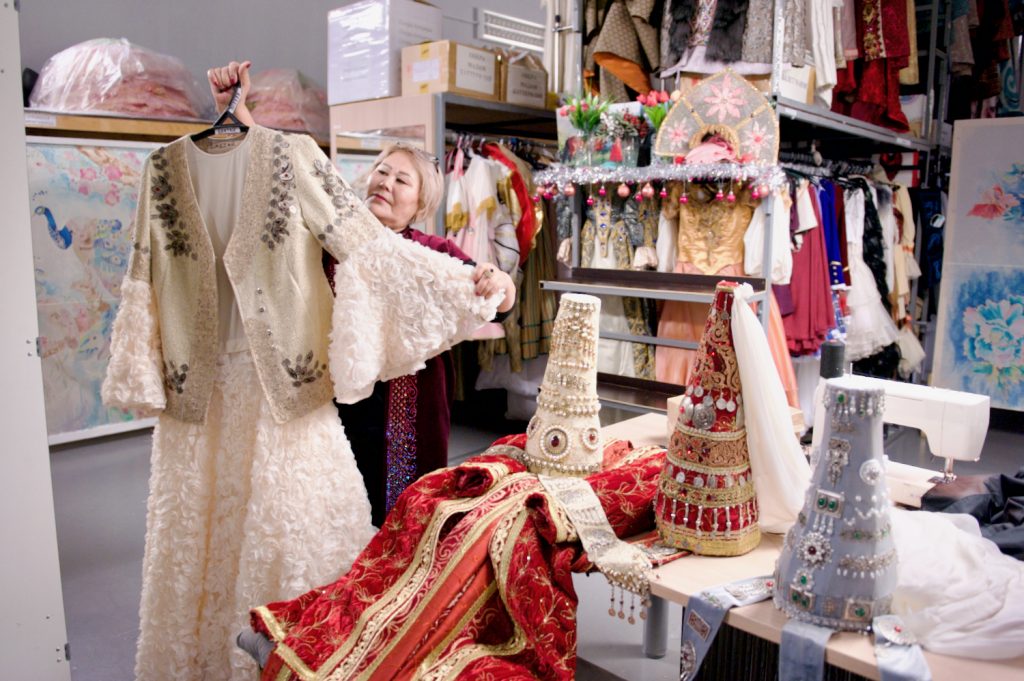
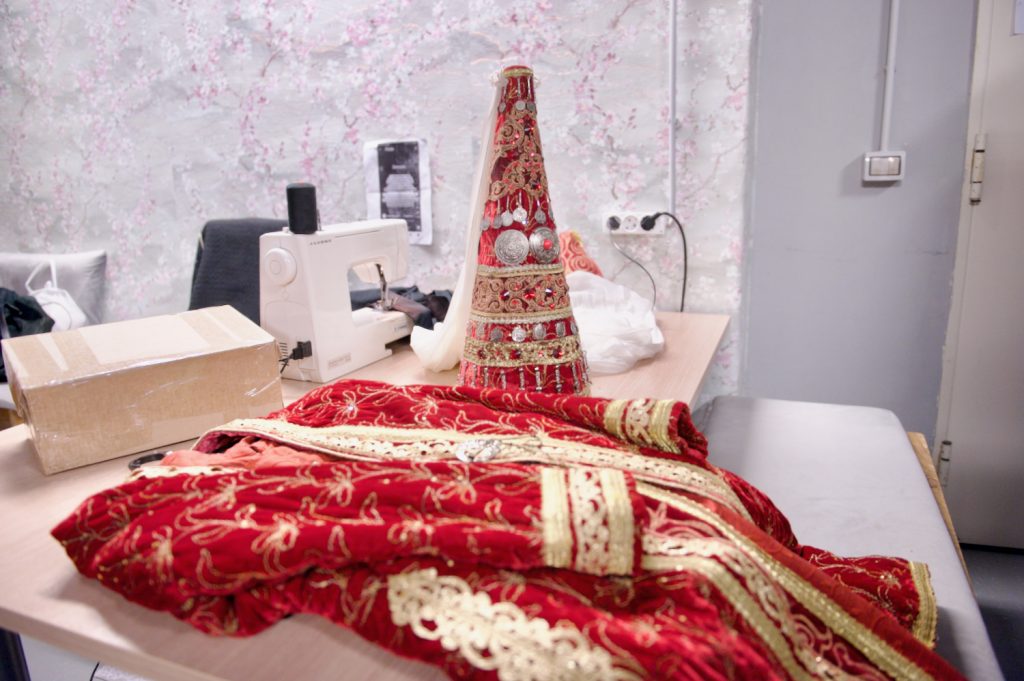
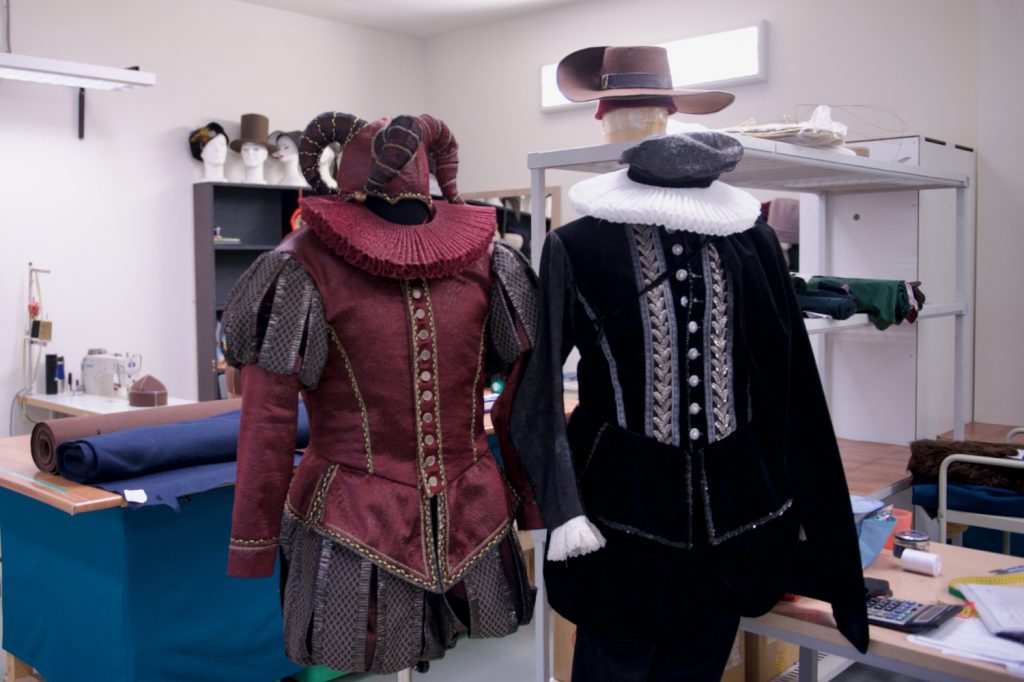
In a recent two-day programme led by the Halyk Charitable Fund, children toured the theatre, observed rehearsals, and explored the costume, props and stagecraft workshops, before attending a performance. Alongside this, the theatre also enrols children in craft workshops, from painting and drawing to sewing and wood carving.
Achievement and international recognition
As a result, Astana Opera has become one of Central Asia’s most intensively used cultural institutions. It delivers to the highest standards: an ambitious repertoire, technical quality, and sustained investment in talent and production.
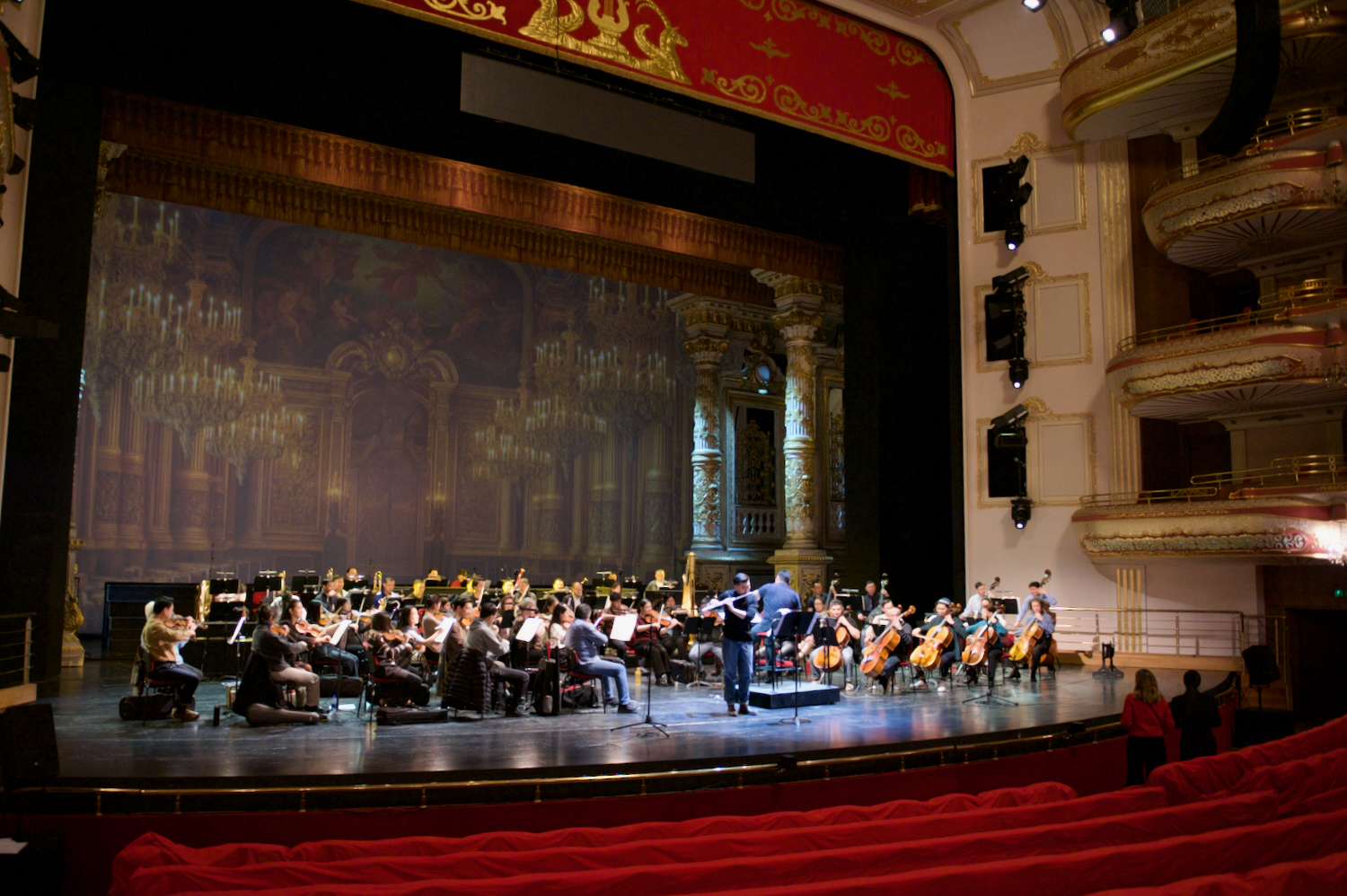
In the past two years alone, the company has toured extensively at home and abroad, represented Kazakhstan on major international stages across Eurasia, and hosted packed seasons of opera, ballet and orchestral work in a 1,250‑seat main auditorium.
Its international opera academy now runs competitive intakes – with multiple applicants for every place – and graduates move directly onto professional stages.
The role of long-term support
Opera’s value is often overstated in abstract terms and understated in practical ones. It does not endure because it is educational, virtuous or prestigious. It endures because, at its best, it is absorbing, exacting and communal. People attend for the same reason they always have: to experience something unique and be transported.
That is what Astana Opera delivers. When it is funded steadily, programmed confidently, and opened to everyone rather than mythologised – audiences keep attending. The question is not whether opera still matters. It is whether institutions are willing to invest in it, long-term, to keep it growing.
In this context, opera is part of a broader national trajectory. Education, sport and culture develop together, supported by both institutional and private commitment.
Astana Opera demonstrates what is possible when that investment is sustained over time.