The Halyk Ormany project is reaching a new level of development
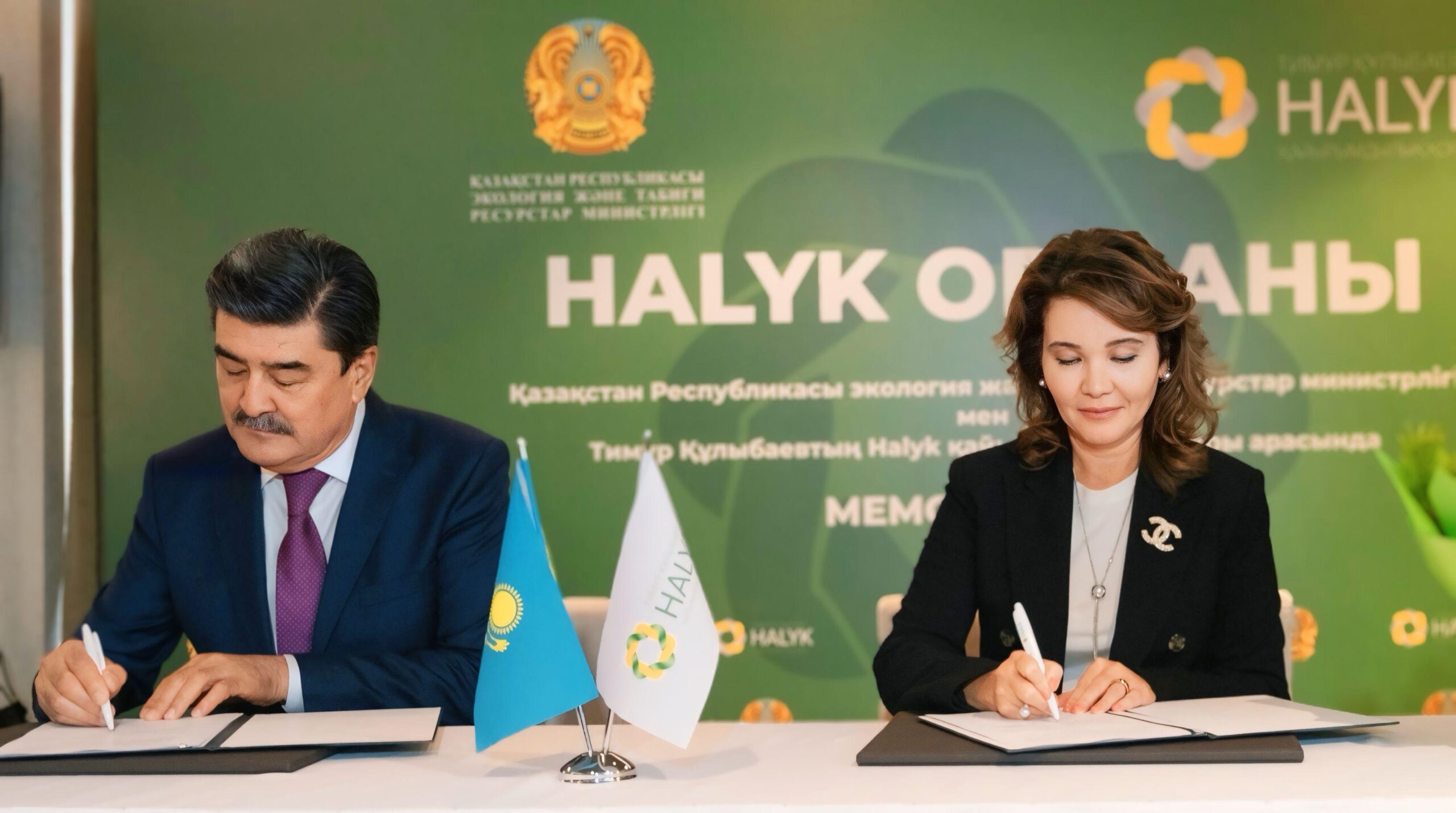
Timur Kulibayev’s Halyk Charitable Fund continues to implement its large-scale environmental project, “Halyk Ormany,” aimed at restoring forests, greening areas, and supporting sustainable development in Kazakhstan. The initiative is being implemented jointly with the Ministry of Ecology and Natural Resources of the Republic of Kazakhstan and contributes to the implementation of the national environmental agenda and the “Taza Kazakhstan” (Clean Kazakhstan) initiative.
In 2025, the Fund allocated 1 billion tenge for the project. The five-year program plans to plant approximately 9 million seedlings and saplings in key natural areas of the country—Ile-Alatau National Park, the Semey Ormany Nature Reserve, and the capital’s Green Belt.
The project is being implemented with the participation of volunteers, public figures, representatives of culture and sports, youth, and residents of the regions. During the 2025 autumn planting season, approximately 850,000 seedlings and saplings were planted using the Foundation’s own funds, and approximately 1,500 people, including activists and government representatives, participated in the planting events.
“We see great potential in attracting investors who share the values of environmental responsibility and sustainable development. The state, for its part, is prepared to create transparent and understandable conditions for the implementation of projects to plant forests, restore ecosystems, and preserve biodiversity,” emphasizes Erlan Nysanbayev, Minister of Ecology and Natural Resources of the Republic of Kazakhstan.
Thus, the Halyk Ormany project is beginning to develop as an open platform for partnership and demonstrates that any company can contribute to the restoration of Kazakhstan’s forests. The Halyk Charitable Fund acts as the operator and organizer of the project and, in addition to funding, assumes responsibility for coordination, conducting planting events, and interacting with volunteers and government agencies. The Ministry of Ecology and Natural Resources of the Republic of Kazakhstan, for its part, provides the necessary conditions for the implementation of planting activities, subsequent maintenance of forest stands, and reporting.
The participation model is built on the principles of transparency and efficiency: private companies’ funds will be used for a specific purpose—the purchase of seedlings and saplings—while the Fund retains all organizational responsibilities. This approach allows businesses to achieve measurable environmental results and use participation in the project as a practical tool for implementing the ESG agenda.
“The ‘Halyk Ormany’ project goes far beyond just planting 9 million seedlings and saplings — it gives companies a chance to make a tangible, measurable impact on their ESG obligations and the UN Sustainable Development Goals, whether through the exact number of trees planted or through the expansion of restored forest ecosystems,” said Umyt Shayakhmetova, member of the Halyk Fund’s Board of Trustees.
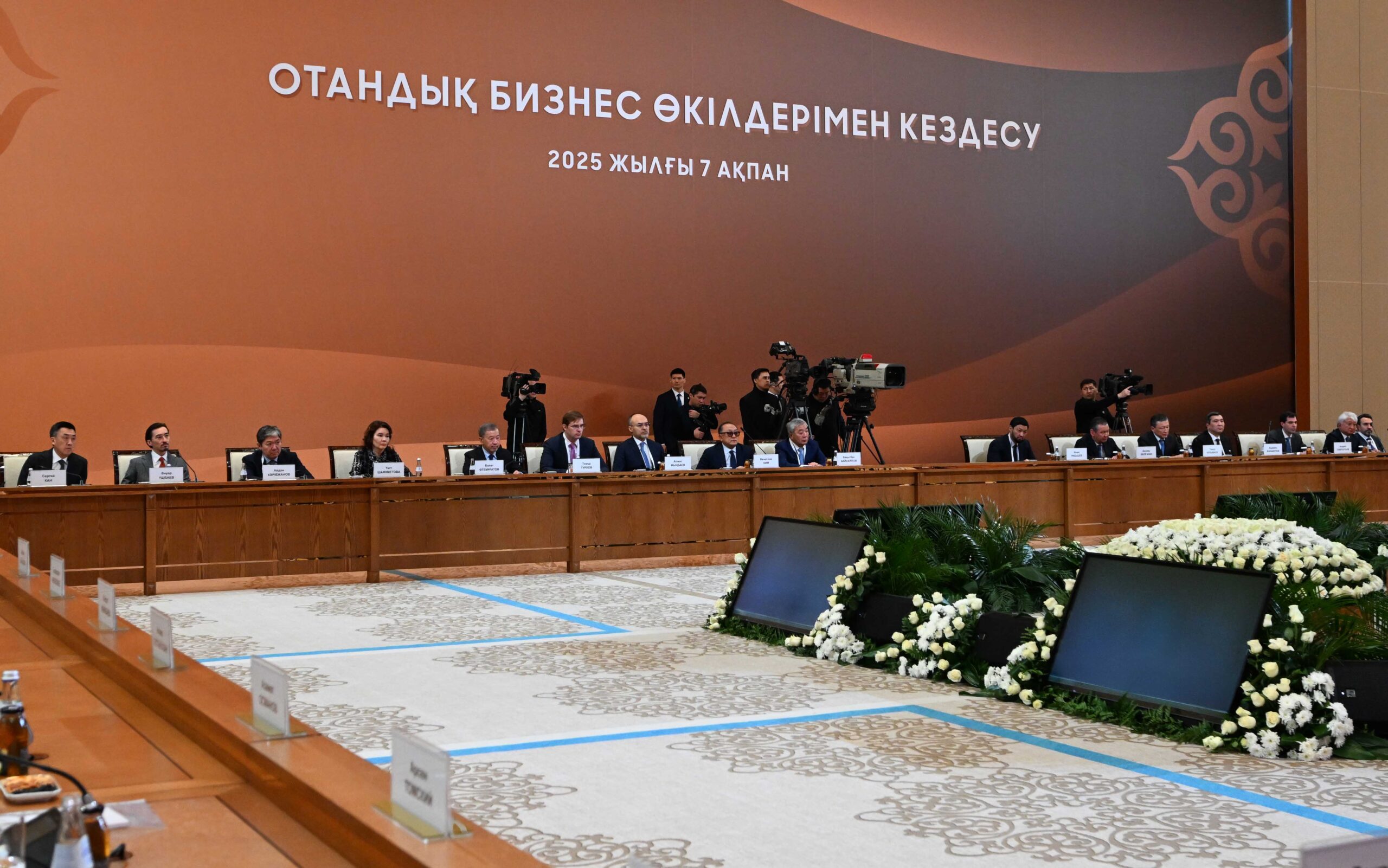
Kazakh and international companies are already joining Halyk Ormany. For example, the international pharmaceutical company AstraZeneca has expressed its willingness to participate in the project and contribute funds for planting seedlings. The corresponding decision was made following a business meeting of Kazakhstani and international companies held on January 30 under the auspices of the Halyk Ormany environmental project. Engaging partners allows for increased planting volumes and expansion of restored forest areas.
The project Halyk Ormany continues to scale up and in practice demonstrates that with the right cooperation between the state, charitable organizations, and business, it is possible to achieve tangible results — restoring degraded lands, increasing the carbon resilience of territories, and making a real contribution to the preservation of biodiversity.